How To Bond Objects with Construction Adhesive?
NEMPAL 150 Why Nail Classic is a solvent-based, multi-purpose construction adhesive sealant formulated with synthetic rubber. It is recommended for various bonding applications in construction, renovation, woodworking, furniture manufacturing, or DIY works. The versatile product exhibits strong initial grab, excellent and long-lasting bonding to various common substrates, and does not slump on vertical surfaces.
Applications*
Compatible with most construction materials: wood, plywood, corkboard, MDF, gypsum board, FRC board, certain plastics, metal substrates like aluminium and GI Steel, concrete, masonry, glass, ceramics, tiles, bricks, stones, veneer, etc. Also safe for bonding mirror and polystyrene / EPS materials.
Typical applications include:
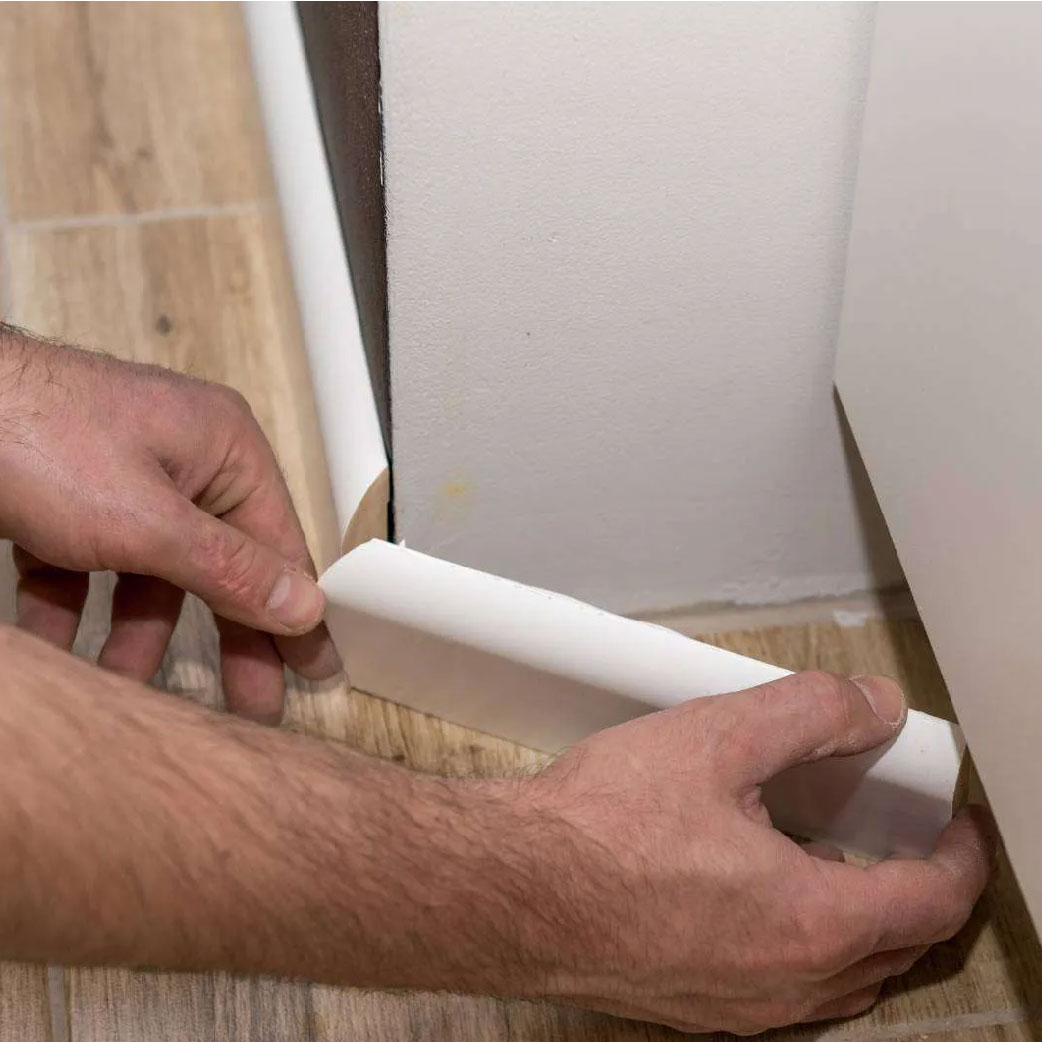
Flooring
- Floor panels to batten
- Floor skirting boards
- Floor stair treads, risers, nosing
- Floor edging, transition profiles, reducer, end cap
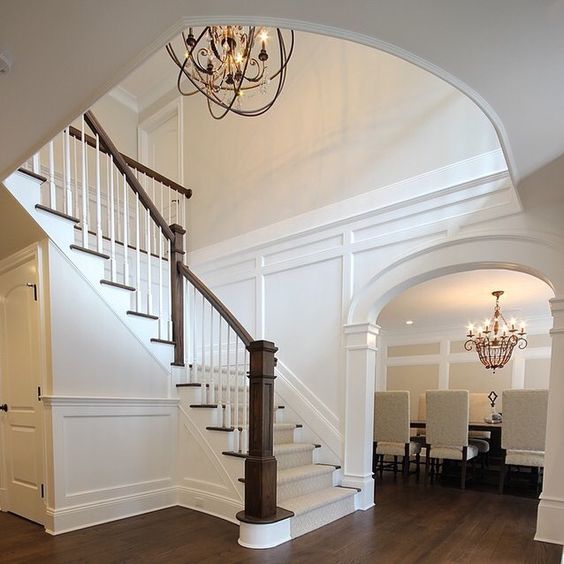
Interior Decorations
- Wainscoting
- Cornice & Coving
- Architraves & trims
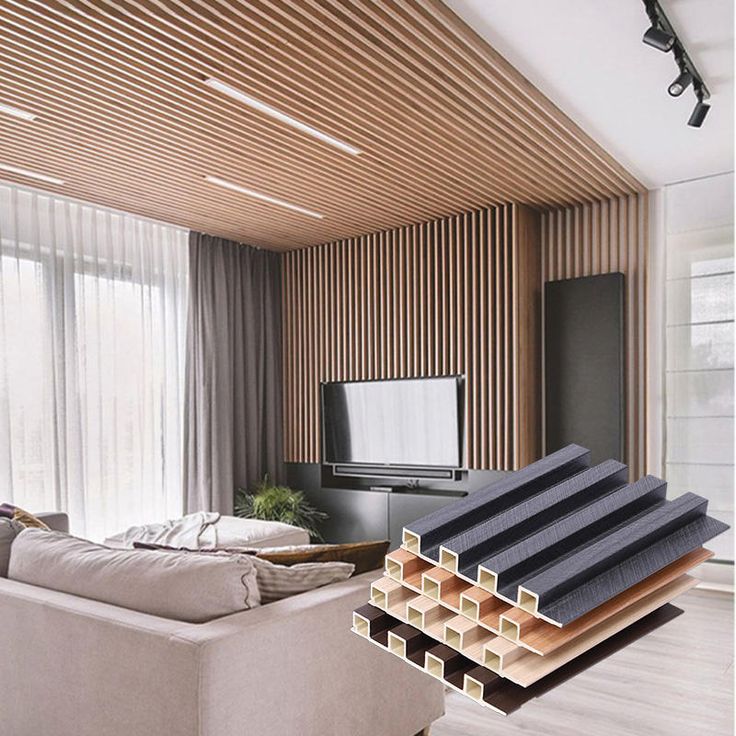
Decorative Wall Panels
- Wooden wall panels
- Faux wall panels
- 3D wall panels
- Fluted wall panels
- Shiplap boards
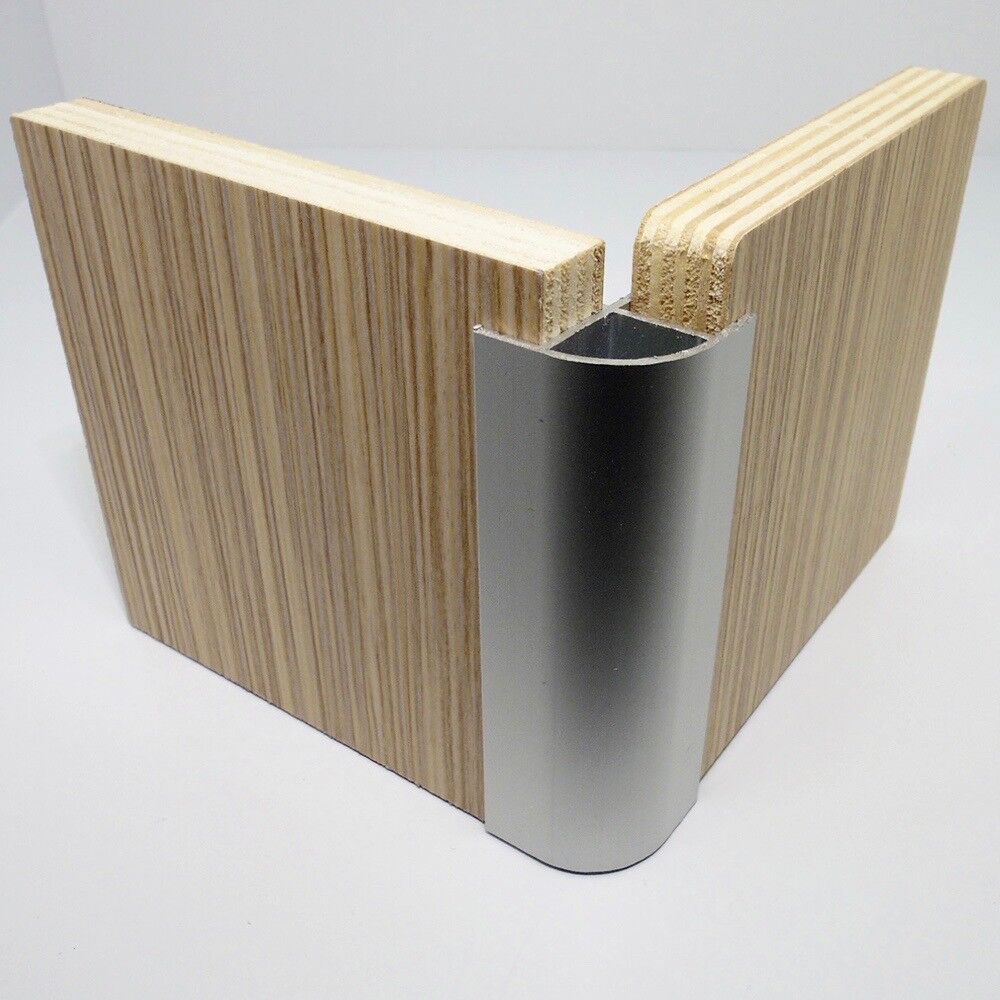
Furniture Manufacturing & Customization
- Cabinetry
- Aluminium edging
- Signages
- Customized parts
Miscellaneous
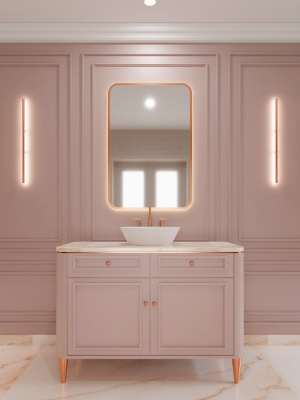
- Mirrors
- Plasterboard to wooden/metal studs
- FRC boards
- Raised floor pedestals
- Polystyrene / EPS panels, moulds, copings
- Wall / Column Corner Guard
- Wall tiles
- Various household components
* Users are responsible to carry out test prior to installation to confirm compatibility with actual substrates, work conditions, and service requirements.
Features & Benefits
- Compatible with most substrates
- Easy to apply, even at low temperature
- Non- dripping, sagging or stringing
- Strong initial grab and green strength
- High strength
- Long lasting bond
- Mirror and polystyrene safe
- Cost effective


Directions:
- Surfaces must be structurally sound, clean, dry, free of dust, dirt, flaking paint, loose particles, grease, oil or water. For smooth surfaces, adhesion can be improved by lightly sanding bond areas.
- Cut tip off and puncture the internal foil seal with nozzle. Cut nozzle tip to a 6 mm diameter hole (or desired size) and apply to substrate with cartridge gun.
- Apply adhesive bead along the length of object like batten, stud or joist. If object has a broad flat surface, apply beads in a zig-zag manner, or vertical lines (e.g. mirrors in bathroom) with a gap of 30mm – 70mm depending on object size and weight.
- It can be applied either as a “two-way contact” or a “one-way stick” adhesive.
4.1 “Two-way contact” (bonding of lighter objects): Apply adhesive to one surface. Press both surfaces together firmly to transfer the adhesive, and then pull both surfaces apart. Allow adhesive to tack off for 10 to 30 seconds and then reposition and press firmly together again. Use a rubber mallet to tap along the bonded area to ensure good adhesion.
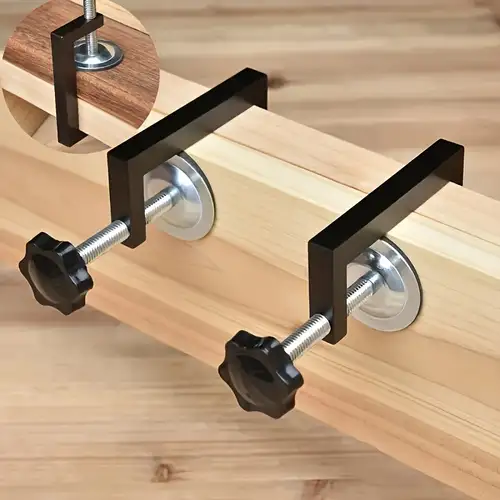
4.2 “One-way stick” (bonding of heavier objects): Apply adhesive to one surface. Press both surfaces together firmly and fasten them securely with clamps, nails, or screws. Maintain the fastening for a minimum of 24 hours.
5. Uncured adhesive can be removed with a piece of cloth, with solvent / mineral spirits / Turpentine if necessary. Dried adhesive can only be removed by scraping or sanding.
Coverage
A single 300 ml cartridge can extrude a bead of adhesive approximately 10m long with a diameter of 6mm.
Curing Time
The working time of the product is <5 minutes, avoid adjusting or disturbing the bonded substrates 5 minutes after application. Usually, a green strength is achieved in 24 hours, and it continues to strengthen over the next 2-3 days. In most cases full cure can be achieved in 5-7 days, depending on thickness of adhesive applied, temperature, humidity, ventilation, and porosity of bonded surfaces (solvent escape takes longer time in non-porous surfaces).
Limitations
NOT recommended for the following applications:
- Outdoor areas exposed to continuous weathering
- Areas with temperatures below 5°C or above 80°C
- Areas with permanent water immersion
- Areas or substrates that are constantly damp
- Overhead mirror installations
- Polyethylene, polypropylene, PTFE, silicone, bituminous substrat
FAQ:
Question 1: Can I use silicone sealants to bond objects, instead of construction adhesive like NEMPAL 150?
It is not impossible, but most silicone sealants available in similar price range are produced for sealing applications, not bonding. While there are silicone sealant products formulated with high bonding strength available for industrial use, they always come with hefty price tags and not commonly available at retails.
Compared with the mass-market silicone sealants, construction adhesives like NEMPAL 150 have higher shear strength, can withstand application requirements especially when bonding on vertical surfaces, or bonded objects are subject to shear movements. Additionally, NEMPAL 150 also has the right workability characteristics compared to silicone sealants, in terms of shorter curing time and higher green strength due to its solvent based formulation (cures faster). With “two-way contact” method, NEMPAL 150 is able to instantly grab objects in most general applications without mechanical means. It is not possible to deploy “two-way contact” method when using silicone sealants.
Question 2: What is the highest object weight that NEMPAL 150 can bond?
This is an FAQ that sounds simple but it has no straightforward answer. Beside object weight, there are several other factors that determine the success or failure of a bonding, such as type of substrates, substrates porosity, amount of bonded areas, amount and pattern of adhesives applied, level of surface preparations, shape of object (which implies its “dead load” when bonded vertically), bonded on vertical, horizontal, or sloped surfaces, whether mechanical support by taping or clamping before and after cure exists, and whether the bonded object is subject to dead load (like gravity), live load (like wind blowing), vibration (like in moving vehicles or machines) or abrasion (like foot traffic on floor board) during service.
Bonding strength (often denoted by “shear strength”) of a construction adhesive is increased from day 1 until the adhesive fully cures. For example, it may achieve 40% of full strength in 24 hours, 70% in 48 hours, and 100% in 72 hours. The curing rate also depends on the factors mentioned above.
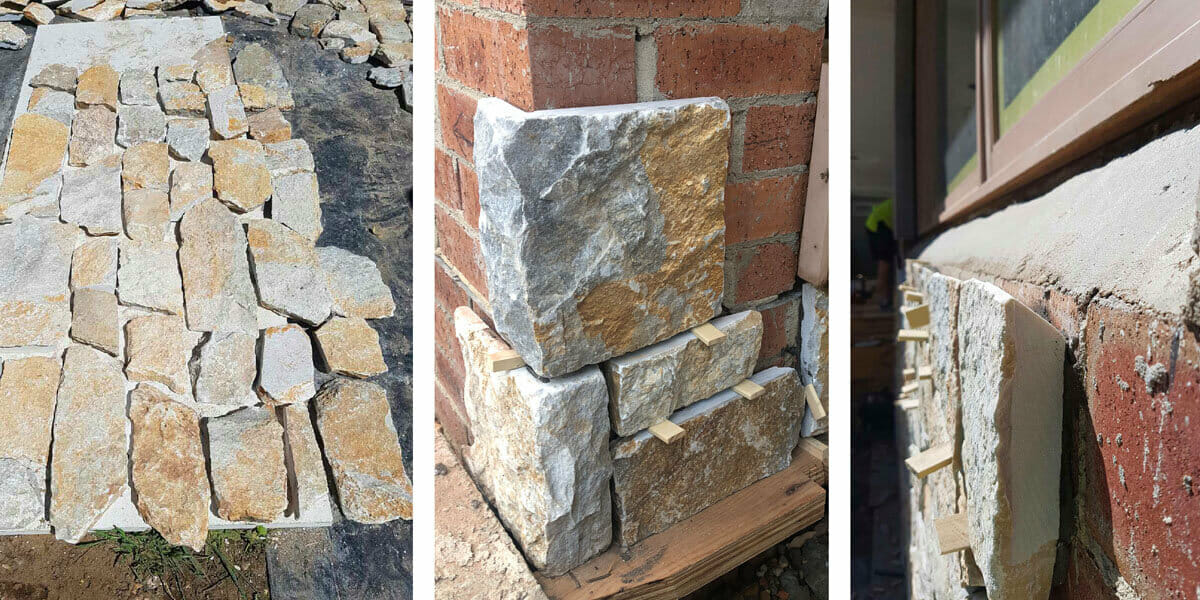
As a rough example, a construction adhesive may bond a 500g ornament on a bare FRC wall with 50g of adhesive applied in a zig zag manner by using “two-way contact” method, and it may bond instantly without slumping. On the same wall, we might also be able to bond a 10kg stone panel with 300g of adhesive applied by using “one-way stick” method, and the bracing support is only removed after full cure.
This is the reason why “Max Bonding Weight” info is not stated on the TDS of most construction adhesive products because it would be ambiguous – results vary due to various variables. While some products have “xx kg/sqm initial bond” stated on literature, it would be very much a marketing answer as it was merely a theoretical figure calculated from some lab test results, in which the tests were carried out in a controlled environment with specific parameters and lab equipment.