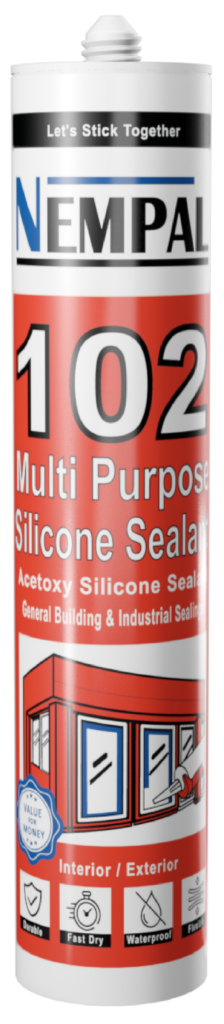
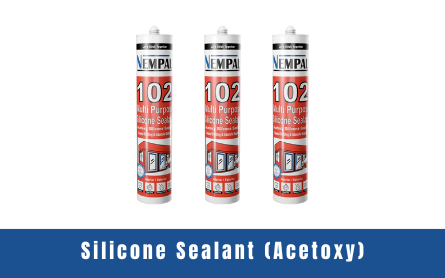
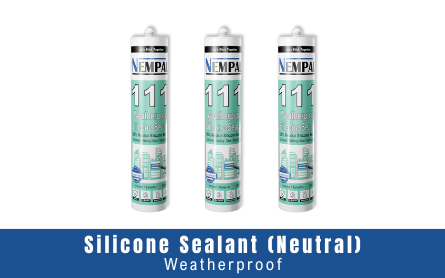
A one-part, versatile, acid-curing silicone sealant formulated for general glazing and sealing applications, where long-term durability is required.
It will cure under the action of atmospheric moisture and form an elastomeric silicone sealant rubber that is waterproof. Its adhesion on most substrates is excellent, and it will not crack or harden even exposed to extreme weather.
Features & Benefits
Cost effective
Primer-less adhesion on most substrates
Superior gunning & tooling
Non sagging
Fast curing
Good flexibility after cure
Excellent weather resistance and durability
Low shrinkage
Indoor and outdoor use
Curing System
Appearance (before cure)
Appearance (after cure)
Standard Colours
Odor
Density
Tack-Free Time
: Acid-Curing by moisture
: Soft Paste
: Elastomeric Rubber
: Translucent, White, Black, Grey
: Vinegar-like
: 0.97 – 0.99 g/cm3
: 5 – 15 minutes
Curing Rate
Extrudability
Ultimate Elongation
Shore A Hardness
Elastic Recovery
Application Temperature
Service Temperature
: 4.0 mm/24h
: 230 ml/min
: > 400%
: 27
: 98%
: 5 °C- 50 °C
: -50 °C – 120 °C
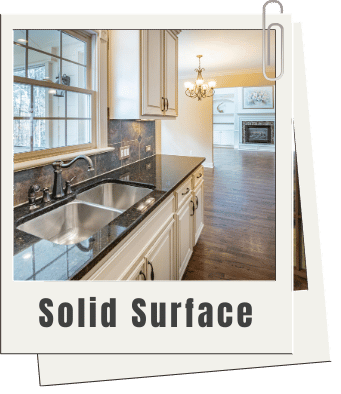
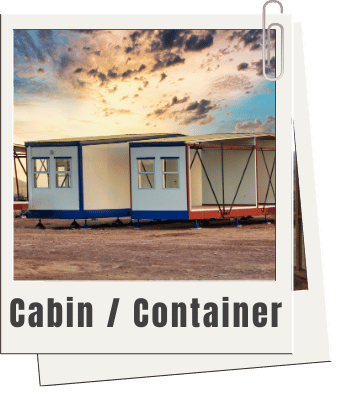
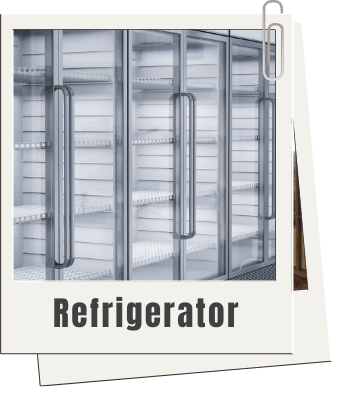
General sealing applications on various substrates (glass, aluminium, ceramics, painted surfaces, non-oily wood, etc.).
Typical applications include:
Window, door, and skylight glass sealing
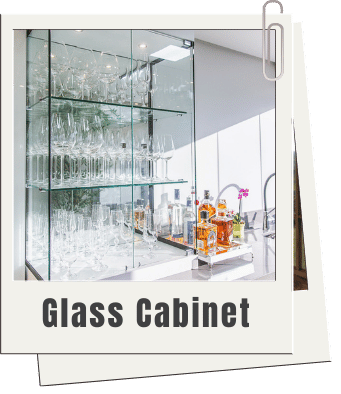
Glass to glass sealing
Ceramic materials sealing
Sealing HVAC, plumbing, roofing
Sealing trucks, trailers, RVs, and boats
Appliance assembly
General DIY / industrial sealing and bonding applications
Remove all residual dirt, grease, oil, frost, water, and old sealant thoroughly. Clean the surface with a piece of white cloth with solvent, then wipe immediately with another piece of clean cloth. Do not use soap or detergent.
For a neat finish and less clean up works, apply masking tape and remove it before sealant skins over.
Cut the nozzle to desired bead width at 45° angle, screw it onto cartridge and place cartridge into caulking gun to apply sealant.
Apply sealant into the bottom of the joint so that it completely fills the joint, wetting both sides, before moving the caulking gun. Avoid moving too quickly and leave air traps in joint. Do not simply lay a bead on the surface as the sealant will not penetrate the joint by itself. Use backing material or bond breaker tape in joint to avoid three-sided bonding.
Tool the sealant immediately after application to provide a smooth finish, and to ensure the sealant wets both sides of the joint for proper bonding. Sealant tooled in a concave profile is recommended. Do not use soap or water as tooling aids.
Depending on environment variables, the sealant will have its skin formed in 5-15 minutes after application. Do not disturb the joint until the sealant is cured thoroughly, or adhesion will be affected. It will cure to a depth of 10mm in about 7 days. Longer curing time is expected in dry and low humidity area. Uncured sealant can be cleaned up with solvent or mineral spirit. Cured sealant can only be removed mechanically.
Sealant coverage per cartridge / sausage depends on actual joint width and depth, application style and wastages during application. Calculations can only be a rough reference.
Joint Width
Joint Depth
Coverage (240 ml) **
0.6 cm
0.6 cm
635 cm
1.0 cm
1.0 cm
229 cm
2.0 cm
1.0 cm
114 cm
** Based on 5% wastage assumption. Actual coverage may vary. Formula:
Coverage = V / [ W x D x 1.05 ]
Coverage = linear run in cm per cartridge (or sausage)
Store properly in a dry and well-ventilated place with temperature between +5°C to +30°C.
Use within 12 months from date of production.
Cartridge – 240ml (24 cartridges / carton)
Always test before use – user is responsible to test before using to confirm the sealant produces desirable results.
Be careful with the temperature during application. If the temperature of the substrate surface is above 50°C, it may cause sealant to cure too fast – with bubbles in sealant bead. Likewise, if the substrate temperature is below 5°C, the sealant may cure slower.
Product releases acetic acid odor like vinegar during application and curing, use in well-ventilated areas. Keep out of reach of children. For further health and safety information, please refer to the latest Safety Data Sheet.
Not recommended for the following applications:
Substrates that could be corroded by acetic acid released as the sealant cures.
Polyethylene, polypropylene, and polytetrafluoroethylene (Teflon)
Traffic areas subject to abrasion.
Structural glazing or Insulating Glass bonding.
Alkaline substrates such as concrete, marble, quartzite, or natural stone.
Materials that bleed oil, plasticizers or solvents or release by-products that may inhibit the curing of sealant, affect its adhesion, or discolor the sealant.
On surfaces that are continuously immersed in water
On frost-laden, wet or contaminated surfaces
Applications where sealant surface should be painted – silicone sealants are not paintable.
Bleeding may occur on porous substrates such as concrete, marble, granite or other natural stones.
In unventilated areas, or at low temperatures as the moisture content in the air is lower, the curing reaction will take place more slowly.
Surfaces in direct contact with food or potable water